
Basic detection, $200–$400
Straightforward jobs: a limited pipe run, good access, the leak confirmed and marked.
The water bill knows something you don’t. Somewhere under a slab or behind a wall in Epping, a pipe is quietly feeding the ground, and finding it with instruments instead of a jackhammer is the difference between lifting three tiles and gutting a bathroom. We locate to centimetres, then repair through one deliberate hole.
Every concealed leak makes three things: a sound, a temperature difference, and a pressure drop. The gear reads all three. Acoustic equipment listens for the specific frequency of water escaping under pressure and gets louder as we track along the line; thermal imaging paints the wet path through a wall or the warm plume of a leaking hot line under a slab; and isolating sections of pipework against a pressure gauge proves exactly which run is losing water and which is sound.
Cross-referenced, they put an X on the floor within centimetres. That precision is the entire point, the difference between lifting three tiles and re-tiling a bathroom. It matters double under Epping’s older homes, where pipes wander in ways no plan ever recorded, and the "obvious" place to dig is reliably wrong.
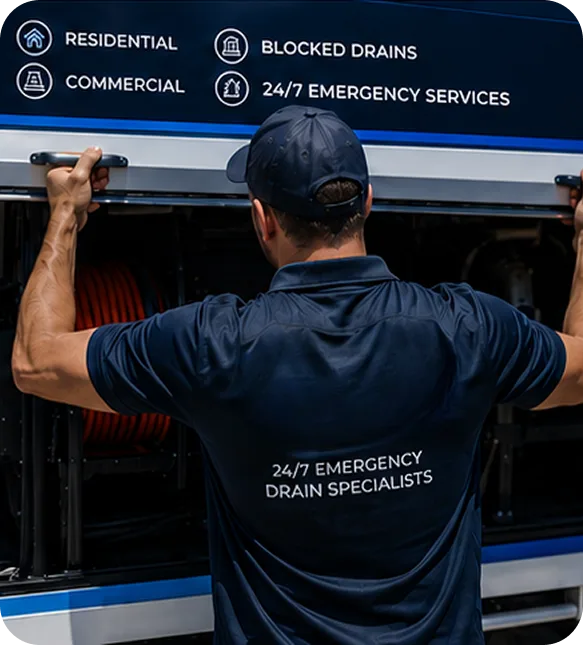

Epping’s interwar and Federation homes still run original clay lines that crack and sag with age, trapping waste and slowing flow.
Lath and plaster, pressed metal ceilings, original tiling and heritage listings all raise the cost of being wrong. In a period home the value of precise location is not the plumbing saved, it is the finishes not destroyed.
So we locate to the smallest area the equipment will support, and where a listing is in play we document what we propose to open before anything is touched.
Failed waterproofing in a shower is the single most frequent source of inter-lot water damage in strata, and it rarely presents as a leak at all, it presents as a damp patch on a neighbour's ceiling months after the membrane gave up.
Epping’s station-precinct towers share drainage stacks where grease, wipes and food waste build up and back multiple units up at once.
It is worth ruling in or out early because it is a building repair rather than a plumbing one, and the process for approving and funding it is different. Flood testing the recess is inexpensive and definitive.
The suburb’s leafy older streets have mature trees whose roots invade cracked clay sewers, a leading cause of slow drains here.
Not every escape of water is under pressure. A cracked drain leaks into the ground continuously without affecting the meter, without a pressure drop, and often without a single symptom inside the house.
The distinction decides the method. Pressure leaks are found with acoustics and the meter; drain faults are found with a camera and, where needed, a smoke or dye test.
Older homes are a record of everyone who has worked on them. Original runs, a post-war bathroom teed in somewhere unexpected, a laundry added in the sixties, and nothing documented.
That is why detection on a heritage-era property starts by establishing where the pipes actually go. Tracing the layout is half the job and it is the half that prevents opening the wrong wall.
Epping (postcode 2121) sits in Sydney’s Northern Suburbs, bordered by Eastwood, Carlingford, North Epping and Beecroft. A wave of apartment towers around the station now sits beside leafy streets of older homes, giving its drains two very different sets of problems, and we handle both.
The technical question and the financial question have different answers, and both need settling. Pipework serving only your lot is yours; risers, mains and common-property lines belong to the owners corporation.
A leak detection report that names the line, the lot and the direction of travel is what turns a dispute into a decision. That is what we write, because a description of where the water appeared settles nothing.
Before assuming a house leak, account for everything outside it. A pool loses water to evaporation, but a pool losing more than about a centimetre a day is losing it somewhere else. Irrigation valves fail open. Garden lines get cut by shovels.
Isolating the outside of the property and repeating the meter test is a five-minute step that regularly saves a full detection job.
A standard detection visit generally runs $350-$650 depending on the size of the property and how much isolating is involved. Tracer gas or extensive thermal work sits above that; a straightforward meter-test confirmation sits below.
Those are market figures rather than our quote. You get a fixed number before we start, and if the meter test at the beginning says there is no leak, you are told that rather than sold the rest of the process.
Straightforward jobs: a limited pipe run, good access, the leak confirmed and marked.
The standard concealed-leak hunt with the full kit on site, acoustic, thermal, pressure testing.
Long pipe runs, poor access or multiple leaks add gauge-and-listen time past the first hour.
Deep slab lines and complex multi-storey tracing sit at the top of the Sydney range.
Detection tells you exactly what the repair involves, so the repair quote is built on evidence. One crew does both, no handover, no second call-out fee.
Compare it with exploratory demolition, which costs more than detection before it has even guessed right once. Figures here are indicative of the 2026 Sydney market rather than a quote from us, you get your own number as a fixed price before any work starts.

The meter test, done properly, plus your bills and history. If the evidence says no supply leak, you hear that, not a bill for finding nothing.
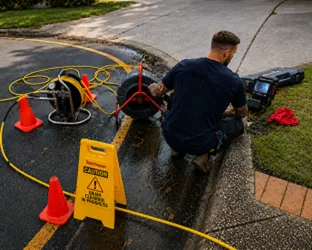
Pressure-testing the pipework in sections, hot against cold, line by line, corners the leak into one run before any listening starts.

Acoustic gear and thermal imaging along the guilty run until the readings converge. The mark on the floor is where the repair happens, centimetres, not metres.
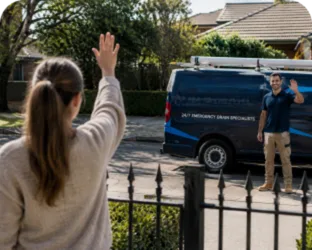
Access exactly at the mark, the failed section repaired, pressure-tested, closed up. If the line's condition says reroute instead of repair, you get both numbers first.
That is a leak, and it is not fixing itself. Book the detection before it surfaces through something expensive.
Instruments, evidence, one precise repair: and a bill that goes back to normal.

Leave your details and our local Epping team will call you back fast.